INTEGRATED JIUJITSU
Integrated Jiujitsu for Practical Self-Defence
A practical martial art integrating striking, grappling, control and weapons training with awareness and decision-making.
Learn to adapt what you know to different people, problems and situations — rather than relying on predetermined responses.
Explore How We Train →
WHAT IS INTEGRATED JIUJITSU?
A Martial Art Built Around Adaptability
Integrated Jiujitsu (IJJ) is a practical martial art developed for the changing conditions of real physical interaction.
Rather than treating striking, grappling, standing and ground skills as separate areas, IJJ develops the ability to move between them as the situation changes.
Training includes striking and kicking, grappling and control, displacement and recovery, grounded interaction, and the use of and defence against weapons. These skills are developed alongside awareness, positioning and decision-making.
The aim is not to memorise a response for every possible attack. It is to understand principles, develop adaptable skills and learn to apply them against people who move, resist and respond.
FROM KAPAP KRAV MAGA TO INTEGRATED JIUJITSU
Self-Defence Has to Evolve
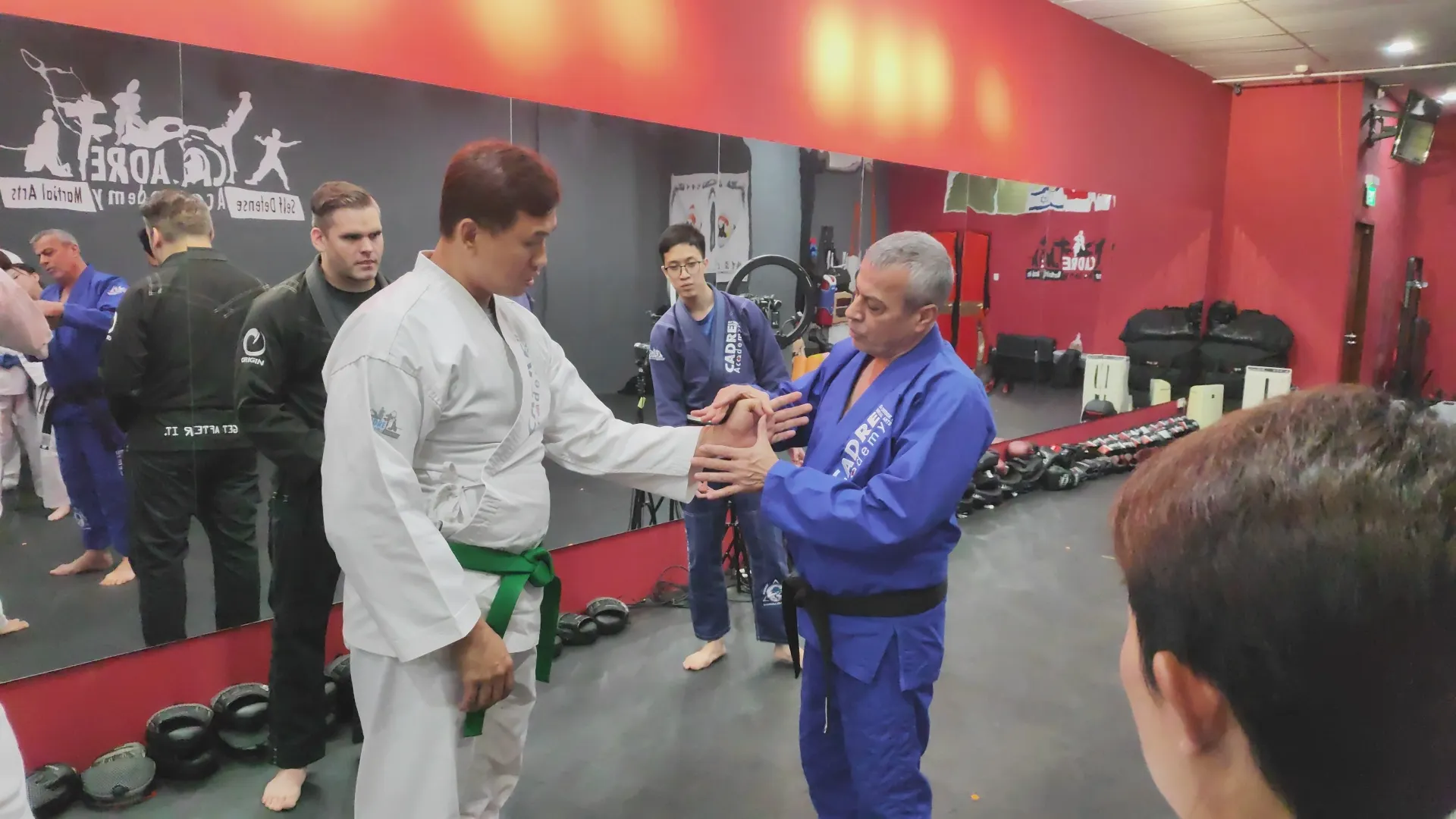
Avi Nardia teaching Integrated Jiujitsu at CADRE Academy, Singapore
Integrated Jiujitsu is the continuing evolution of the KAPAP Krav Maga approach developed by Avi Nardia.
Modern KAPAP grew from Avi Nardia's experience in military and police training, including his work with YAMAM, Israel's elite counter-terrorism unit. When its hand-to-hand training needed to be updated, the objective was not to preserve a system simply because it was established. Training had to continue developing around the problems people actually faced.
That same principle drives the evolution into Integrated Jiujitsu.
Why the Training Had to Evolve
Knowledge changes. Training methods improve. Grappling, striking and weapons training continue to develop. Experience also exposes the limitations of preparing people with fixed responses to predetermined attacks.
Real physical interaction does not follow a script. People move, resist and respond. Distance changes. Striking can become grappling. A standing interaction can move to the ground. The presence of a weapon can change the problem immediately.
From More Techniques to Greater Adaptability
Integrated Jiujitsu represents the next stage of that evolution. Instead of continually adding more techniques for more possible attacks, training places greater emphasis on the principles and capabilities that allow someone to adapt — position, movement, leverage, control, timing, awareness and decision-making.
The Lineage Behind Integrated Jiujitsu
Integrated Jiujitsu continues to evolve under Avi Nardia, drawing on his extensive experience in martial arts, military and law-enforcement training.
At CADRE Academy in Singapore, training is led by Leon Koh, a long-standing student of Avi Nardia, recognised as a 10th Dan in Israeli Jiujitsu, appointed as Avi Nardia's representative in Asia for Integrated Jiujitsu and Close Distance Combat, and entrusted with the custodianship of KAPAP Krav Maga within the Avi Nardia Academy.
KAPAP evolved because training had to keep pace with reality. Integrated Jiujitsu continues that evolution.
Is Integrated Jiujitsu KAPAP Krav Maga?
Not exactly. Integrated Jiujitsu shares its roots with KAPAP Krav Maga, but represents the continuing evolution of that approach rather than simply another name for the same training.
For someone familiar with Krav Maga or KAPAP, many of the problems being addressed will be recognisable — striking, grappling, weapons, awareness and practical self-defence.
What has evolved is how we train for those problems.
Integrated Jiujitsu places greater emphasis on interaction, resistance and adaptability. Techniques are still taught, but they are not treated as fixed answers that depend on a partner performing an expected attack. Students learn why skills work, recognise when conditions change and adapt their responses accordingly.
Avi Nardia's continuing work also includes Close Distance Combat (CDC), a distinct system focused on practical combatives and defensive tactics. While Integrated Jiujitsu provides CADRE Academy's framework for ongoing martial arts and self-defence training, CDC supports a separate area of specialist training and short-course development.
HOW INTEGRATED JIUJITSU TRAINS
Understanding Matters More Than Memorising
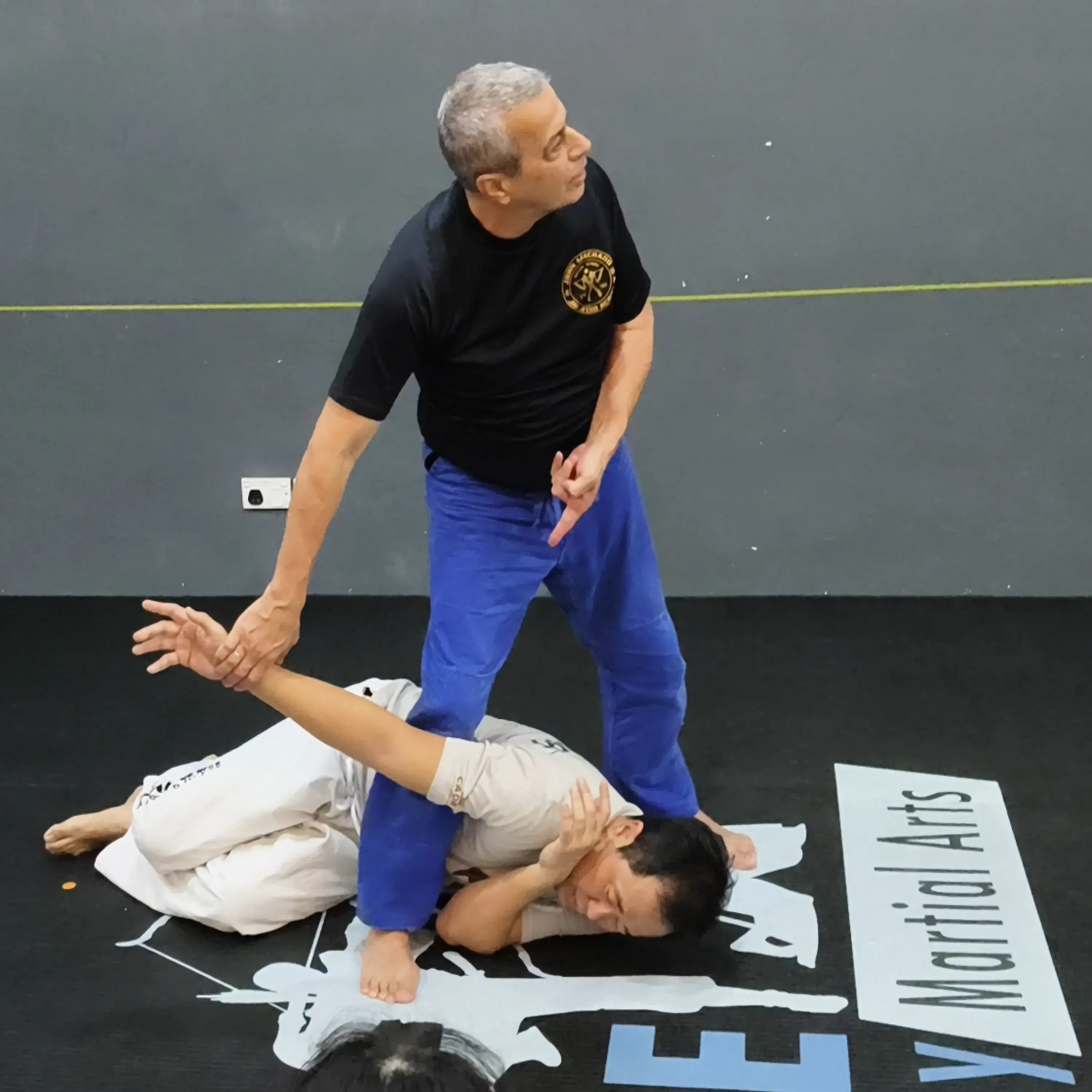
Integrated Jiujitsu does not treat techniques as fixed answers to predetermined problems. Techniques are taught and practised, but the goal is to understand why they work and how to adapt when conditions change.
Training introduces interaction, resistance and changing situations so students learn from both success and failure.
Understand the Principle
Learn more than the movement.
Techniques are taught with attention to why they work, helping students understand what to change when conditions are different.
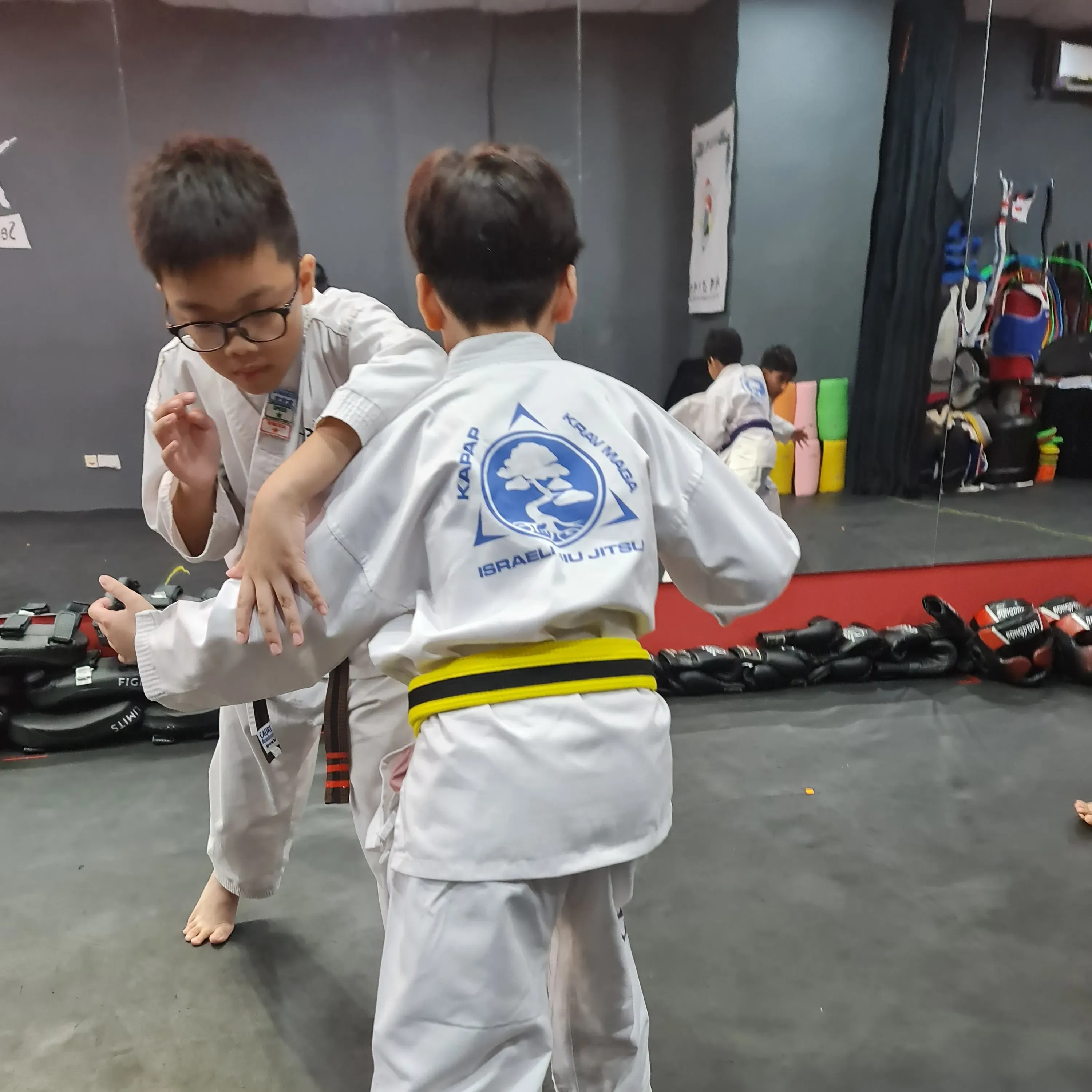
Learn Through Interaction
The other person changes the problem.
Training partners move and respond, requiring students to recognise changes in distance, position, timing and opportunity.
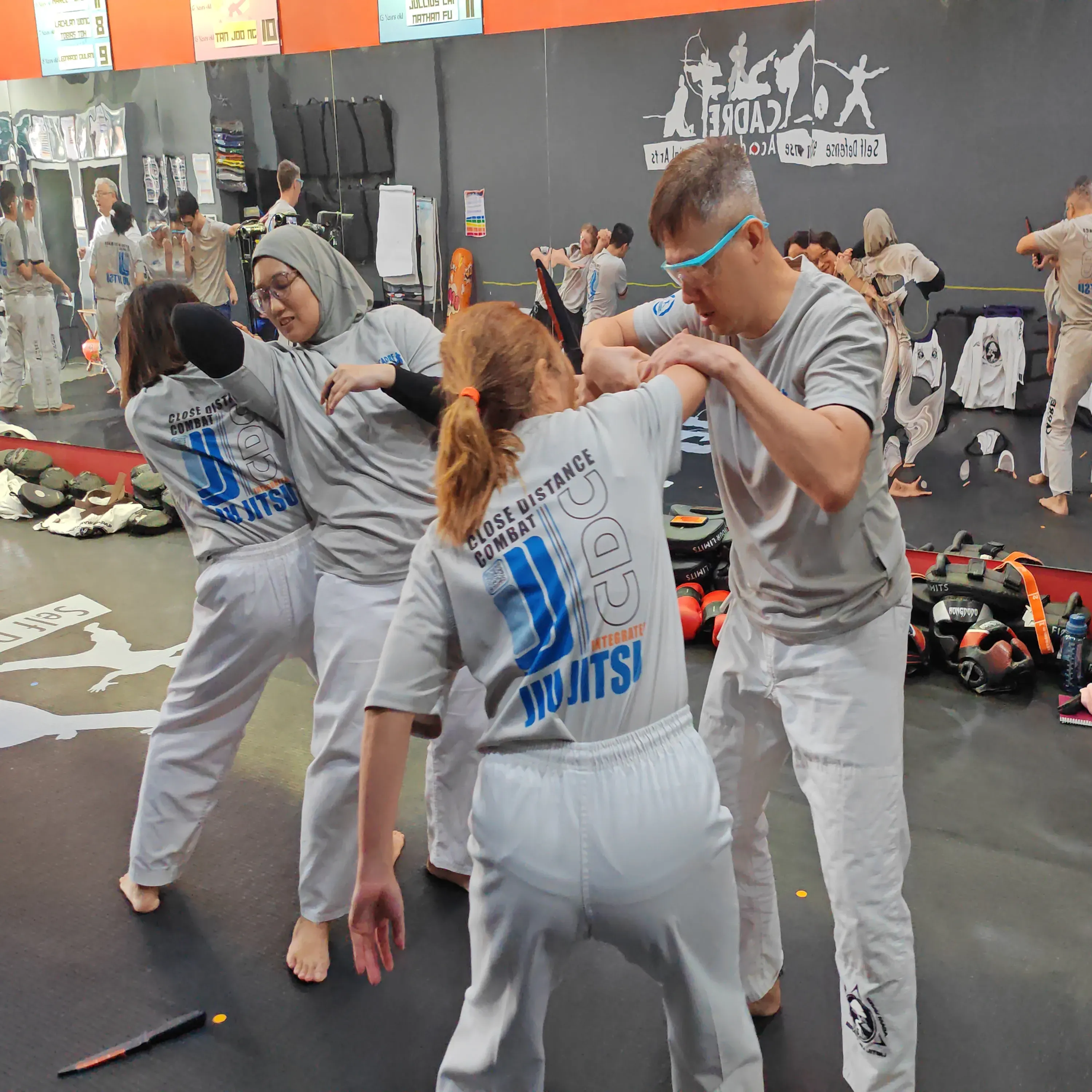
Use Resistance as Feedback
Success and failure both provide information.
Appropriate resistance helps students discover what remains effective, what breaks down and what needs to change.
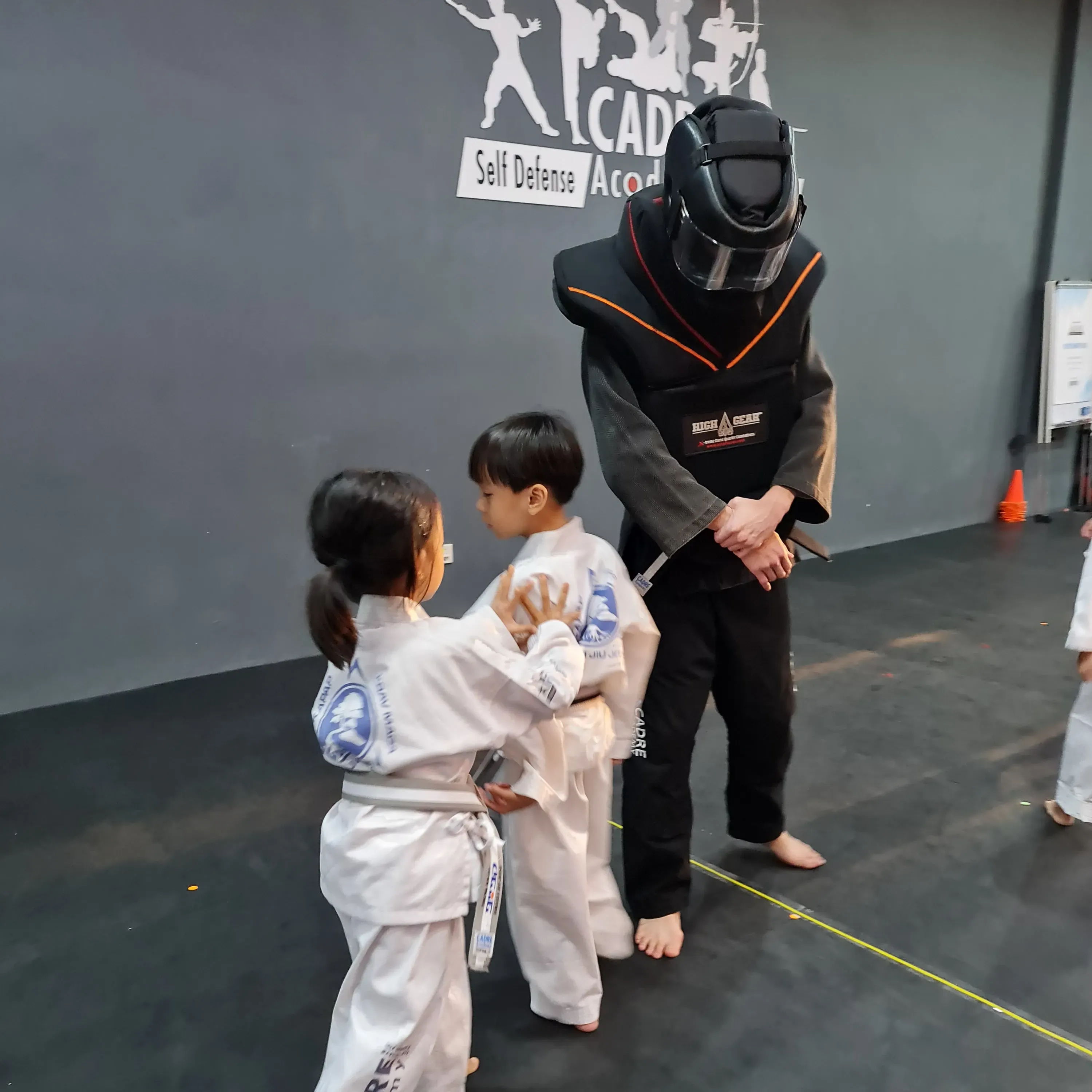
Adapt to
Context
The same answer will not fit every situation.
Different people, positions and circumstances require students to adjust their responses according to what is actually happening.
The goal is not to collect more techniques. It is to become better at solving physical problems.
WHAT YOU TRAIN
From Standing to Ground — and Everything Between
Integrated Jiujitsu prepares students for more than one range or type of physical interaction. Training brings together striking, grappling, standing and grounded situations, weapons, awareness and decision-making within one integrated framework.
These areas connect as circumstances change. Distance affects what is possible. Striking can become grappling. Standing can transition to the ground. The presence of a weapon changes priorities. Throughout the interaction, students must recognise what is happening and decide whether to engage, adapt, disengage or recover.
Striking & Movement
Develop striking alongside movement, positioning and distance management — including creating space, closing distance and responding when range changes.
Grappling & Control
Work with grips, clinching, takedowns, displacement and control, while learning to respond when another person attempts to control you.
Grounded Interaction
Learn to maintain position, move, control and recover when an interaction reaches the ground, with an emphasis on creating opportunities to return safely to the feet.
Weapons
Explore weapon use and defence while learning how the presence of a weapon changes distance, priorities, movement and consequences.
Awareness & Decision-Making
Learn to recognise changing conditions, identify relevant information and make decisions about when to engage, adapt, disengage or recover.
FOR KIDS & ADULTS
Integrated Jiujitsu for You and Your Family
Whether you're looking for practical self-defence training for your child or want to develop your own skills, Integrated Jiujitsu offers a way to learn and progress.
At CADRE Academy in Singapore, children and adults train in separate classes, with instruction adapted to their ages, experience and capabilities. Both programmes develop practical skills through progressive training, interaction and appropriate challenges.
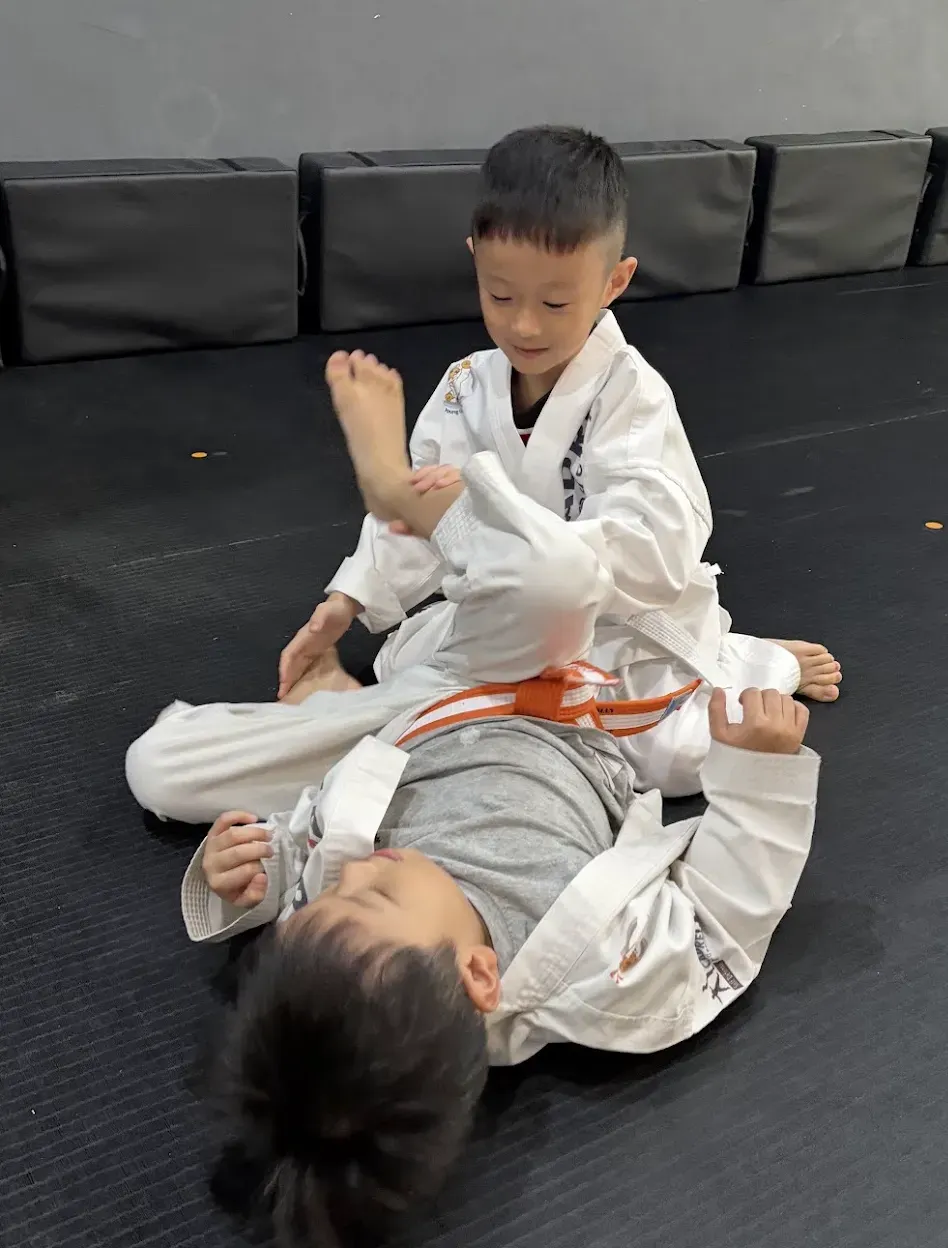
KIDS INTEGRATED JIUJITSU
Learning Skills. Developing Character.
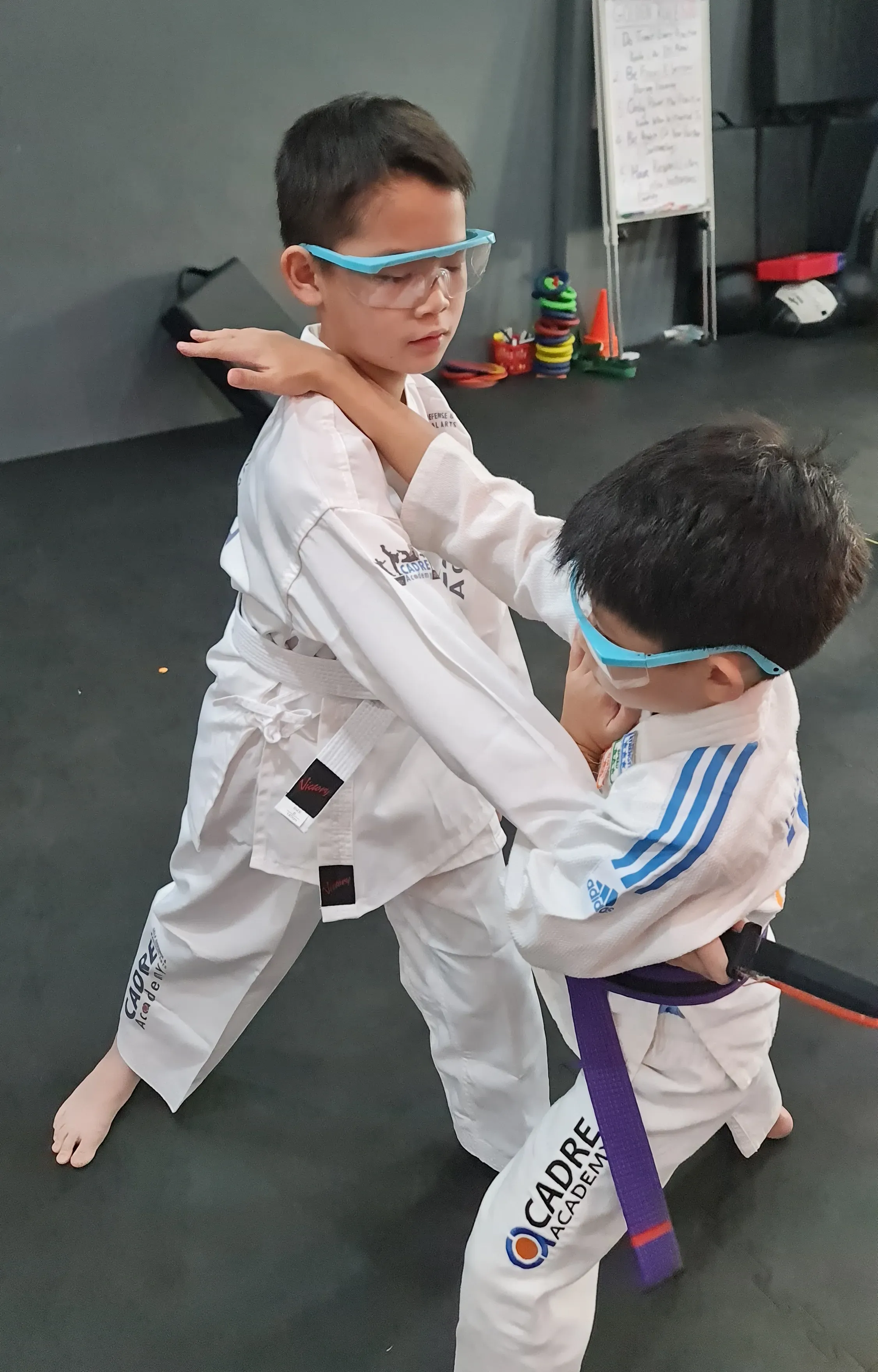
Children develop practical self-defence skills through age-appropriate striking, grappling, movement and partner interaction.
Training also incorporates intentional character development, helping children practise focus, responsibility, self-control and decision-making.
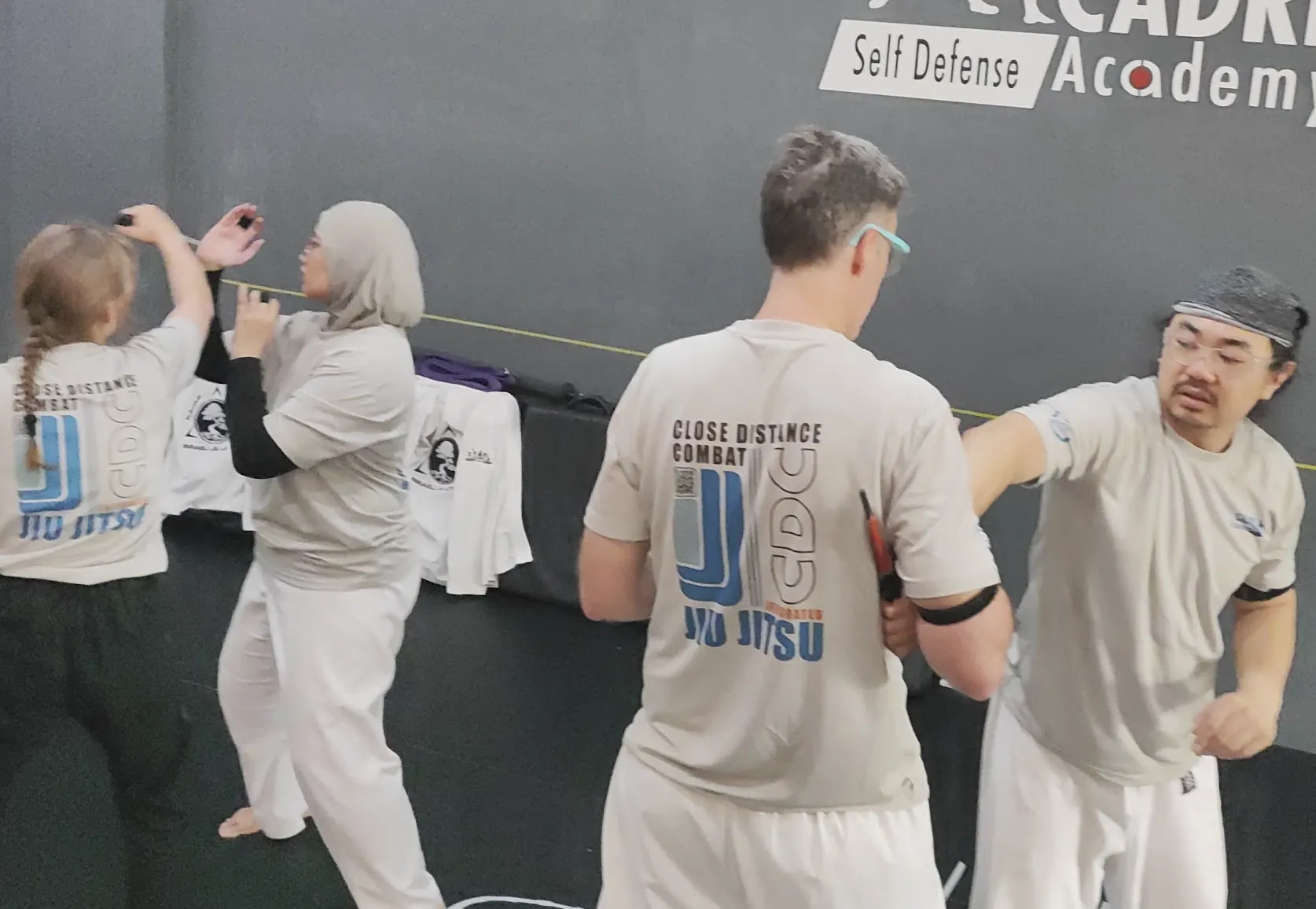
ADULT INTEGRATED JIUJITSU
Practical Skills. Adaptable Responses.
Adult training develops practical self-defence skills across striking, grappling, grounded interaction and weapons-related situations.
Beginners and experienced practitioners learn progressively through partner interaction, appropriate resistance and changing conditions, developing the ability to make decisions and adapt under pressure.
YOUR FIRST STEP
Experience Integrated Jiujitsu at CADRE
You do not need previous martial arts experience to begin. Whether you are exploring self-defence training for your child or looking to develop your own skills, the first step is to experience how we train.
At CADRE Academy, new students join regular classes through our Starter Pack. Rather than attending a separate introductory course, you participate in the actual training environment, with guidance and support appropriate to your experience.
FOR CHILDREN
Kids Starter Pack
$99
4 sessions over 4 weeks
Training uniform included.
Your child joins regular Kids classes, with time to settle into the environment, experience the training and discover whether CADRE is the right fit.
FOR ADULTS
Adult Starter Pack
$177
6 sessions over 4 weeks
Training uniform included.
Join regular adult classes, learn alongside other practitioners and experience our approach before deciding on continued training.
You don't have to commit to long-term training before experiencing it. The Starter Pack gives you time to understand our approach and decide whether to continue.
COMMON QUESTIONS
Frequently Asked Questions About Integrated Jiujitsu
Train For Life.
Prepare For Reality
Contact
Tel: +65 6974 5844
© 2026 CADRE Self Defense & Martial Arts Academy. All Rights Reserved.
CADRE Self Defense & Martial Arts Academy
200 Upper Thomson Road,
Thomson Imperial Court
#01-08 Singapore 574424
#019-